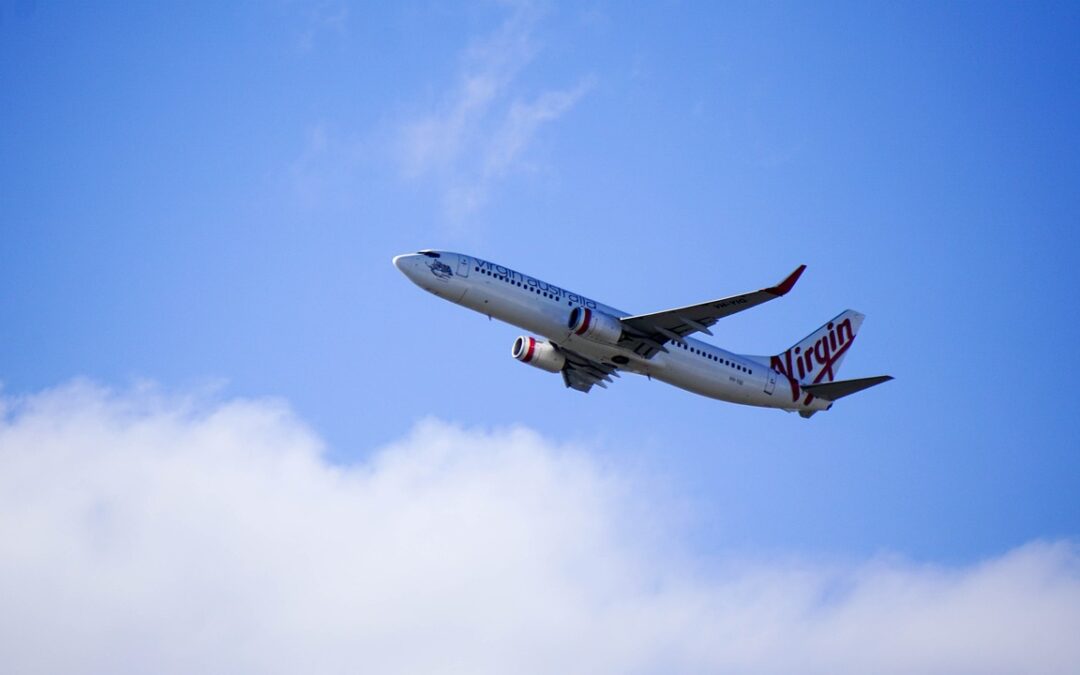
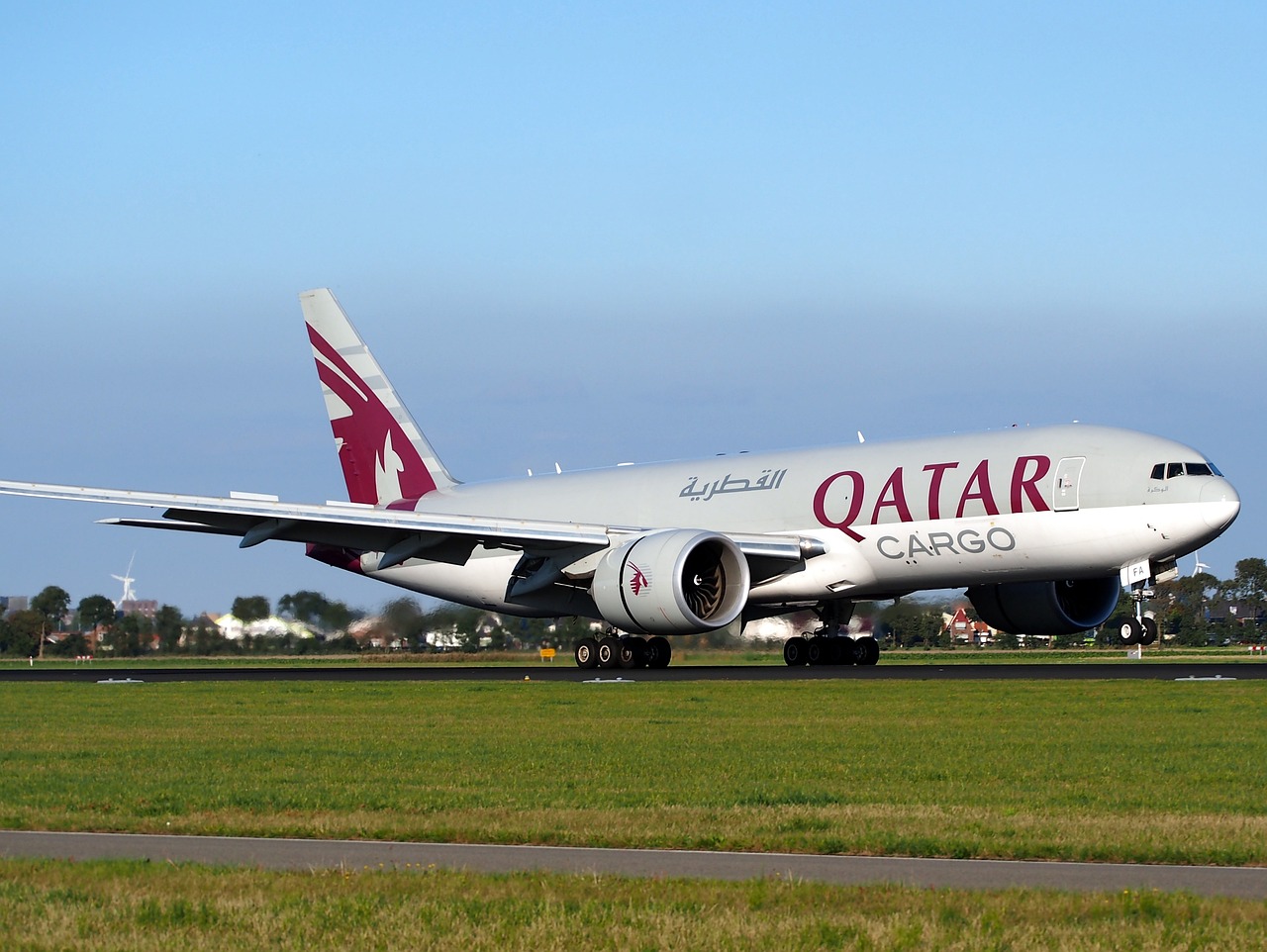
Qatar Airways has made waves in the aviation industry with its recent acquisition of a 25% stake in Virgin Australia. This strategic move marks a significant shift in the landscape of Australian air travel, potentially reshaping the competitive dynamics and offering new opportunities for travellers. The partnership between these two major airlines has the potential to transform the way Australians fly both domestically and internationally.
For frequent flyers and points collectors, this deal has an impact on their travel plans and loyalty programme benefits. The collaboration between Qatar Airways and Virgin Australia is likely to bring about changes to Virgin’s Velocity Frequent Flyer programme, as well as expand the airline’s international route network. As we delve into the details of this partnership, we’ll explore how it might affect your travel options, point accumulation, and redemption opportunities in the coming months and years.
The Qatar Airways-Virgin Australia Deal: An Overview
Qatar Airways has made a bold move by acquiring a 25% stake in Virgin Australia, marking a significant shift in the Australian aviation landscape. This strategic partnership has the potential to reshape the competitive dynamics of air travel in the region and offer new opportunities for travellers.
Key details of the acquisition
The deal involves Qatar Airways taking a quarter ownership of Virgin Australia, subject to regulatory approval. A key feature of this partnership is the introduction of ‘wet lease’ flights from major Australian cities to Doha. Under this arrangement, Qatar Airways will provide the aircraft and crew, while Virgin Australia will manage ticket sales and onboard services.
The proposed routes include flights from Brisbane, Melbourne, Perth, and Sydney to Doha, potentially starting by mid-2025. This move allows Virgin Australia to re-enter the long-haul market with minimal risk, as Qatar Airways will handle the operational aspects of these flights.
Strategic implications for both airlines
For Qatar Airways, this partnership opens up new connecting routes through Doha, expanding its reach in the Australian market. The airline had previously attempted to increase its capacity on these routes in 2023 but was unsuccessful. This deal provides an alternative way to achieve that goal.
Virgin Australia stands to gain significantly from this partnership. It offers the airline a relatively low-risk opportunity to expand its international presence and compete more effectively in the long-haul market. The deal brings critical scale and expertise to support Virgin Australia’s long-term competitiveness.
The partnership also has implications for loyalty programmes. There are plans to enhance cooperation between Virgin Australia’s Velocity Frequent Flyer programme and Qatar Airways’ Privilege Club. This could lead to increased earn and redemption opportunities for members of both programmes, potentially making them more attractive to frequent flyers.
Regulatory hurdles to overcome
While the deal holds promise for both airlines and travellers, it still faces regulatory scrutiny. The acquisition needs to clear various regulatory approvals before it can be finalised. These hurdles are typical for such significant deals in the aviation industry, especially when they involve foreign ownership of domestic airlines.
The regulatory process will likely examine the impact of this deal on competition in the Australian aviation market. Authorities will need to ensure that the partnership does not lead to a reduction in competition or negatively affect consumer choice.
Despite these challenges, both airlines appear optimistic about the deal’s prospects. Jayne Hrdlicka, CEO of Virgin Australia, has expressed excitement about the partnership, highlighting its potential to bring critical scale and expertise to the airline. Qatar Airways Group CEO Eng. Badr Mohammed Al-Meer has emphasised the mutual benefits of the agreement, including its potential positive impact on Australian jobs, businesses, and the wider economy.
Impact on Virgin Australia’s International Routes
The partnership between Qatar Airways and Virgin Australia is set to have a significant impact on Virgin Australia’s international routes, potentially reshaping the airline’s global presence and offering new opportunities for travellers.
Potential new ‘wet lease’ flights to Doha
A key feature of this partnership is the introduction of ‘wet lease’ flights from major Australian cities to Doha. Under this arrangement, Qatar Airways will provide the aircraft and crew, while Virgin Australia will manage ticket sales and onboard services. The proposed routes include flights from Brisbane, Melbourne, Perth, and Sydney to Doha, with operations potentially starting by mid-2025.
This move allows Virgin Australia to re-enter the long-haul market with minimal risk, as Qatar Airways will handle the operational aspects of these flights. It’s worth noting that Qatar Airways unsuccessfully applied to increase its capacity on these routes in 2023, making this partnership a strategic solution for both airlines.
Expansion of Virgin’s global network
The deal has the potential to significantly expand Virgin Australia’s global reach. Currently, Velocity members have limited options for redeeming points on Virgin Australia flights due to the airline’s small global network. The introduction of these new long-haul routes to Doha could open up more opportunities for long-haul international redemptions using Velocity points.
Moreover, this partnership could enhance Virgin Australia’s existing relationship with Qatar Airways. Velocity members already have the ability to earn and redeem points on Qatar flights, enjoying access to premium award seats on long-haul routes. Qatar’s new ownership stake in Virgin could further improve this relationship, potentially offering even more opportunities to book Qatar’s lauded business class QSuites and first-class seats.
Implications for existing airline partnerships
While the Qatar Airways partnership brings exciting new opportunities, it also raises questions about Virgin Australia’s existing airline partnerships. In recent years, Virgin Australia has established partnerships with leading airlines like Singapore Airlines, United, and Etihad. These agreements allow Velocity members to earn and redeem points across international routes and unlock reciprocal status benefits with select airlines.
It’s unlikely that Virgin will sever these existing ties, as partnerships with airlines like Singapore Airlines remain key to its network. However, the landscape may shift, with Qatar potentially taking centre stage for long-haul flights to Europe and the Middle East, while Singapore Airlines and United could continue to dominate routes to Asia and the Americas.
This balancing act will be interesting to watch as the partnership evolves. Virgin Australia will need to carefully manage these relationships to ensure a comprehensive global network for its customers while maximising the benefits of its new partnership with Qatar Airways.
Changes to Velocity Frequent Flyer Programme
The partnership between Qatar Airways and Virgin Australia is set to bring about significant changes to the Velocity Frequent Flyer programme. These changes are likely to enhance the value proposition for Velocity members and provide them with more opportunities to earn and redeem points.
Enhanced earning and redemption opportunities
With the new partnership, Velocity members can look forward to increased opportunities to earn and redeem points. Virgin Australia has specifically mentioned that there will be a focus on expanding these opportunities for members of both Velocity and Qatar Airways’ Privilege Club. This could mean more ways to earn points on Qatar Airways flights, as well as a wider range of redemption options for long-haul international travel.
Currently, Velocity members have limited options for redeeming points on Virgin Australia flights due to the airline’s small global network. However, the introduction of new long-haul routes to Doha could open up more opportunities for international redemptions using Velocity points. This expansion of Virgin’s global network is likely to significantly enhance the value of Velocity points for members.
Possible integration with Qatar’s Privilege Club
One area of interest is the potential for closer integration between Velocity and Qatar Airways’ Privilege Club. While it’s unlikely that Velocity will fully adopt the Avios currency used by Qatar Airways, there could be some level of integration between the two programmes.
This integration could take various forms, such as improved point transfer options between the two programmes or reciprocal elite status benefits. However, a full transition to Avios seems improbable, as Velocity has a wide range of brand partnerships, especially in the financial services sector, which could be complicated by such a move.
Comparison with current Velocity benefits
The new partnership is likely to build upon the existing benefits that Velocity members enjoy with Qatar Airways. Currently, Velocity members have the ability to earn and redeem points on Qatar flights, with access to premium award seats on long-haul routes. Qatar Airways already prioritises premium cabin reward seat availability for Velocity Frequent Flyer members, while Qantas members have more limited access.
With Qatar Airways taking a 25% stake in Virgin Australia, this disparity could grow even further. Velocity members might see increased award availability on Qatar Airways flights, particularly in premium cabins. This could include more opportunities to book Qatar’s highly regarded business class QSuites and first-class seats.
The partnership could also lead to enhanced status benefits for Velocity members when flying with Qatar Airways. This might include improved lounge access, priority boarding, or other perks typically reserved for elite status members.
While these potential changes are exciting for Velocity members, it’s important to note that the details are still being worked out. The full impact of the partnership on the Velocity Frequent Flyer programme will become clearer as the deal progresses through regulatory approval and implementation.
Future Outlook for Australian Aviation
Potential shift in market dynamics
The partnership between Qatar Airways and Virgin Australia has the potential to significantly alter the competitive landscape of the Australian aviation market. This strategic move could lead to a redistribution of market share among major airlines operating in Australia. With Virgin Australia’s re-entry into long-haul international flying, supported by Qatar Airways’ resources and expertise, we may see increased competition on key routes, particularly those connecting Australia to the Middle East and Europe.
This shift could prompt other airlines to reassess their strategies and offerings to maintain their market position. For instance, Qantas, as the dominant player in the Australian market, might need to enhance its services or adjust its pricing to remain competitive. Similarly, other international carriers serving Australian routes might need to reconsider their partnerships and alliances to ensure they don’t lose ground in this evolving landscape.
Economic benefits for Australia
The Qatar Airways-Virgin Australia partnership has the potential to bring significant economic benefits to Australia. As highlighted by Virgin Australia’s CEO, Jayne Hrdlicka, the new long-haul routes resulting from this deal could generate around A$3 billion in benefits to the Australian economy over the next five years. This substantial injection into the economy could come from various sources, including increased tourism, business travel, and trade opportunities.
The partnership is also expected to have a positive impact on employment in the Australian aviation sector. Qatar Airways Group CEO Eng. Badr Mohammed Al-Meer emphasised that the agreement will help support Australian jobs, businesses, and the wider economy. This could translate into new job opportunities in areas such as flight operations, ground handling, and customer service.
Moreover, the increased connectivity resulting from new international routes could boost Australia’s attractiveness as a business and tourism destination. This, in turn, could lead to broader economic benefits across various sectors of the Australian economy.
Long-term implications for travellers
For Australian travellers, the strengthened partnership between Qatar Airways and Virgin Australia could bring several long-term benefits. The introduction of new long-haul routes from major Australian cities to Doha will provide more options for international travel, potentially leading to increased competition and better pricing on these routes.
Velocity Frequent Flyer members stand to gain significantly from this partnership. There are plans to increase earn and redemption opportunities for members of both Velocity and Qatar Airways’ Privilege Club. This could mean more ways to earn points on Qatar Airways flights and a wider range of redemption options for long-haul international travel.
The partnership could also lead to enhanced service quality and improved travel experiences. Qatar Airways is known for its high-quality service, particularly in its premium cabins. The collaboration might result in Virgin Australia adopting some of these service standards, benefiting travellers across various routes.
However, the long-term implications for Qantas Frequent Flyer members might be less positive. The deepening ties between Qatar Airways and Virgin Australia could potentially make it more challenging for Qantas members to secure premium cabin award seats on Qatar Airways flights, as these might be prioritised for Velocity members.
Conclusion
The partnership between Qatar Airways and Virgin Australia marks a significant shift in the Australian aviation scene. This deal has the potential to shake up the market, offering new opportunities for travellers and having an impact on loyalty programmes. For Velocity members, this could mean more chances to earn and use points, especially on long-haul flights. The introduction of new routes to Doha opens up exciting possibilities for international travel.
Looking ahead, this partnership could bring about big changes in how Australians fly. It might lead to more competition, potentially resulting in better deals and services for travellers. What’s more, the economic benefits for Australia could be substantial, with potential boosts to tourism, business travel, and job creation in the aviation sector. As this partnership unfolds, it’ll be interesting to see how it shapes the future of air travel in Australia and beyond.