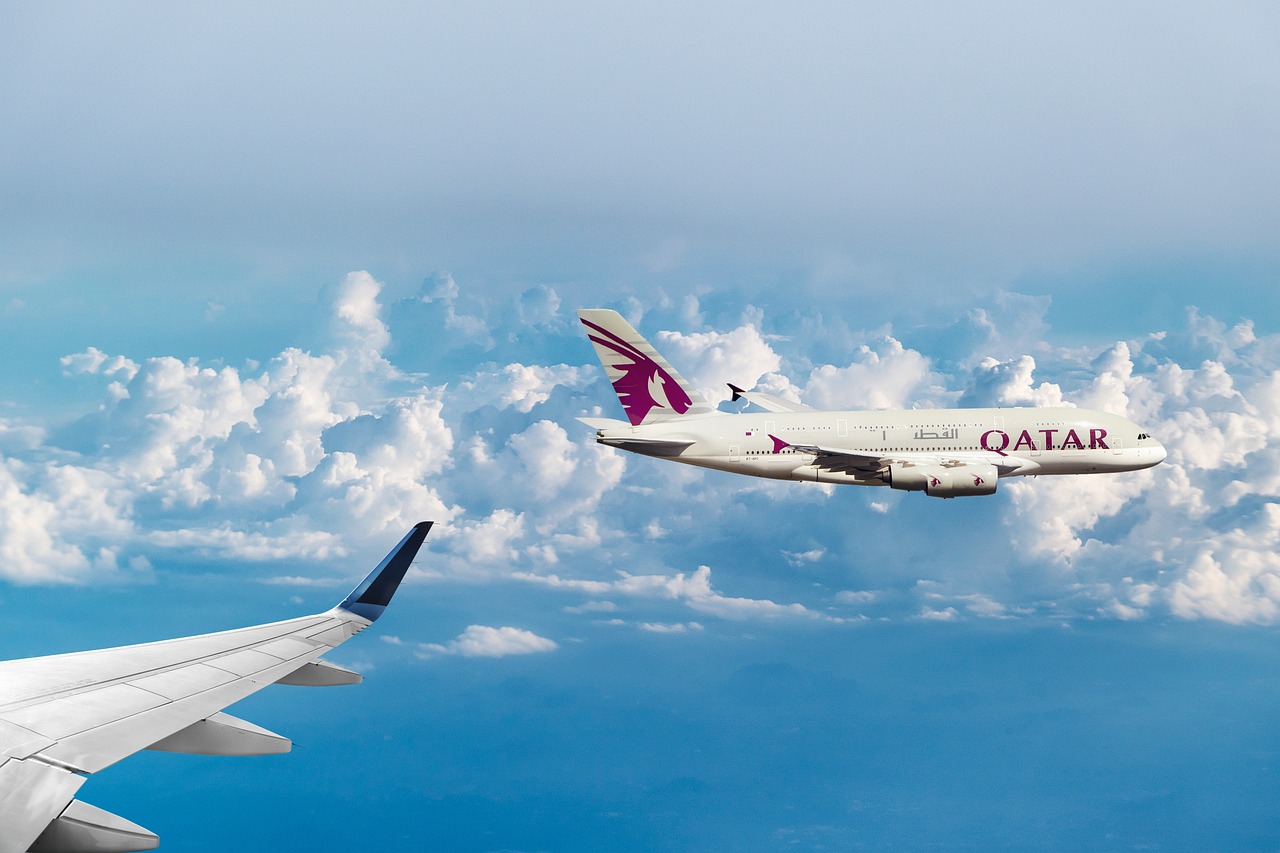
Qatar Airways has stirred up excitement in the aviation world with its recent decision to reverse a controversial fee increase. This move has caught the attention of frequent flyers and industry experts alike, highlighting the airline’s responsiveness to customer feedback. The Qatari flag carrier’s loyalty programme has long been a cornerstone of its customer retention strategy, making this development particularly noteworthy.
The airline’s initial announcement of higher fees for award bookings sent shockwaves through its loyal customer base. However, Qatar Airways quickly changed course, demonstrating its commitment to maintaining a competitive edge in the fiercely contested airline market. This article will explore the details of the initial fee hike, the backlash it triggered, and the revised fee structure that Qatar Airways has put in place. It will also consider the implications of this decision for frequent flyers and the broader loyalty programme landscape.
Initial Fee Hike Announcement
Qatar Airways surprised its frequent flyers by announcing a significant increase in carrier-imposed surcharges for award flights. The airline shifted from a sector-based model to a distance-based structure, resulting in higher fees for many routes. Initially, the hike was substantial, with some fees more than doubling overnight. For instance, a business class Saver award from Rome to Sydney saw a 36% increase in carrier charges, jumping from €241 to €328.
The sudden change caught many off guard, as Qatar Airways implemented the new fee structure without prior notice. This lack of transparency caused frustration among loyal customers who rely on the programme for their travel plans. The airline’s move to a distance-based model meant that longer flights now carry higher charges, impacting long-haul travellers the most.
Backlash and Reversal
The sudden fee hike sparked immediate outrage among Qatar Airways’ loyal customers. Travellers were shocked to find drastically increased fees on popular routes, with some seeing jumps of over 172%. The travel community’s response was swift and vocal, prompting Qatar Airways to take quick action.
In a statement, the airline acknowledged the error: “Qatar Airways Privilege Club sincerely apologises for any inconvenience our valued members may have faced during the rollout of our revised reward fees policy earlier today.” They explained that the displayed fees were higher than intended due to an IT issue.
Following this backlash, Qatar Airways swiftly adjusted the fees. While the new structure still represents an increase, especially for long-haul travel, it’s more modest than initially feared. For instance, a booking from Miami to Bangkok via Doha saw a 51.35% increase in fees and taxes, rather than the expected 172% jump. This quick response showcases Qatar Airways’ commitment to addressing customer concerns and maintaining its competitive edge in the airline loyalty programme landscape.
Revised Fee Structure
Qatar Airways has introduced a new distance-based structure for its reward fees, replacing the previous sector-based model. This change has brought about a mix of increases and decreases in fees across various routes. For short and medium-haul flights, some fees have decreased by up to 15% or remained unchanged. However, long-haul routes, particularly those to and from Australia, Europe, and the USA, have seen notable increases.
For instance, a one-way Business Class redemption from Melbourne to London via Doha now incurs approximately AUD 822.11 in taxes and charges, an increase of around AUD 267.88 from the previous fee structure. This represents a nearly 50% jump in the co-payment required.
The airline now refers to these charges as “Redemption Fees” or “reward fees”. Despite the increases, Qatar Airways Privilege Club still offers competitive overall reward flight pricing compared to some of its rivals in the region.
Conclusion
Qatar Airways’ reversal of its controversial award fee hike shows the airline’s responsiveness to customer feedback. The swift adjustment from a significant increase to a more modest one has an impact on the loyalty programme landscape. This move demonstrates the delicate balance airlines must strike between revenue generation and customer satisfaction, particularly in the competitive world of frequent flyer programmes.
To wrap up, the Qatar Airways fee adjustment saga offers valuable insights into the dynamics of airline loyalty programmes. It highlights the importance of clear communication and customer-centric decision-making in maintaining brand loyalty. As the dust settles, it will be interesting to see how this episode shapes Qatar Airways’ future strategies and its standing among frequent flyers.